
The Philippine offshore gaming operator (POGO) framework wind-down has been in operational effect for six months at the time of this writing, with the resulting operator-migration patterns and the employment-policy response now sufficiently developed to support substantive analytical engagement. The wind-down was announced in mid-2024 and proceeded through the wind-down period with the resulting operator-population substantially terminated by the formal wind-down deadline.
The operator-population termination picture
The operator-population termination picture establishes that the substantial majority of the previously-POGO-licensed-operator population has terminated Philippine operational presence in the period since the wind-down took effect. The resulting termination has affected both the principal-operator-licensed-population and the supporting business-process-outsourcing infrastructure that had developed around the POGO operator-population.
The cross-jurisdictional migration patterns
The cross-jurisdictional migration patterns of the previously-POGO-licensed-operator population have been progressively documented across the post-wind-down period. The substantive migration destinations include several other Southeast-Asian licensing jurisdictions, with the receiving-jurisdiction regulatory responses to the migration being one of the substantive analytical considerations for cross-jurisdictional readers.
The substantive economic-impact of the migration on the receiving jurisdictions has been progressively documented through the available regional-trade-press coverage, with the resulting cross-jurisdictional migration-pattern picture continuing to develop. The migration trajectory is methodologically informative for analytical readers interested in the broader regional gambling-industry structural picture.
The employment-displacement policy response
The employment-displacement policy response has been progressively developed across the wind-down period, with the resulting policy-response infrastructure including transition-support measures, retraining programs, and broader labor-market policy work that the wind-down made necessary. The substantive policy-response work has involved multiple Philippine government agencies and has produced documented program-implementation outcomes across the operational period.
The cross-jurisdictional employment-aftermath picture extends beyond the Philippine domestic context. Some of the previously-POGO-employed workforce population was non-Filipino and has experienced post-wind-down employment-aftermath that the receiving-home-jurisdiction labor-policy infrastructure has had to engage with substantively.
The commercial-real-estate footprint aftermath
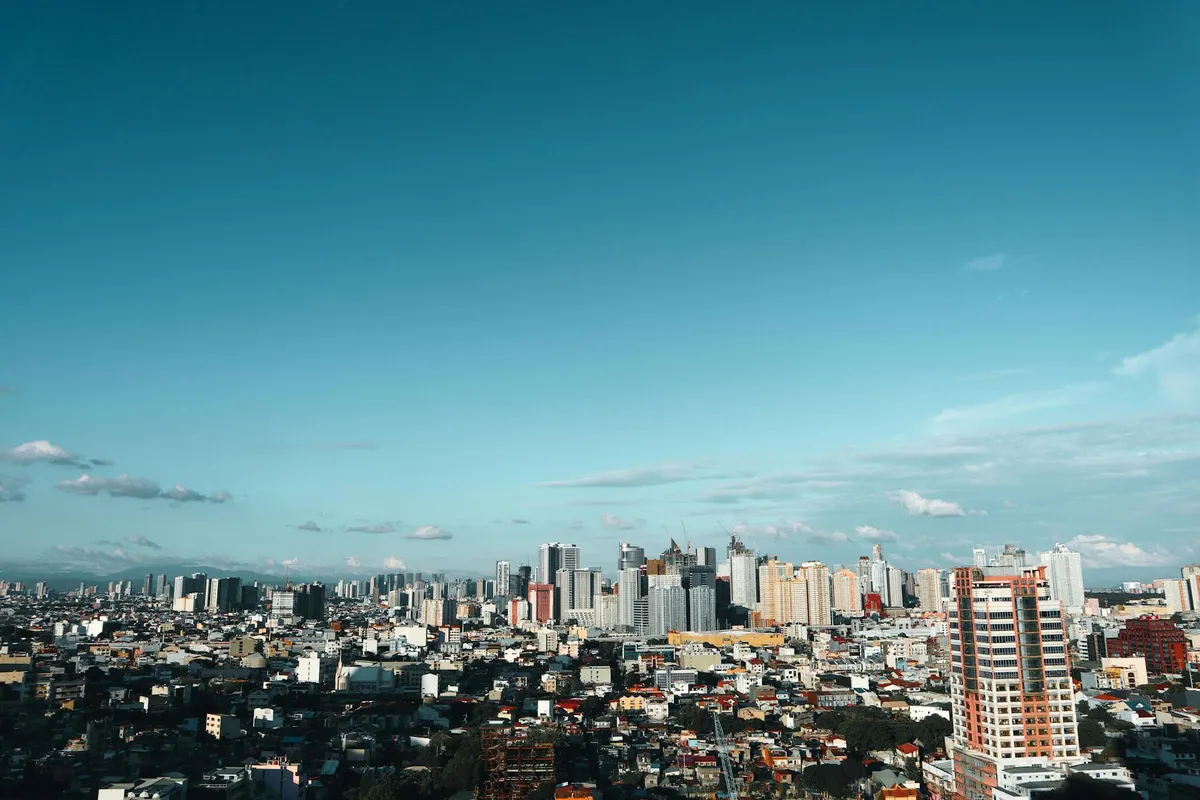
The commercial-real-estate footprint aftermath of the wind-down has been substantial and has produced documented impact on the Manila commercial-real-estate market. The previously-POGO-occupied office-tower population has been progressively transitioned to alternative occupancy across the post-wind-down period, with the resulting commercial-real-estate market impact being methodologically substantive for analytical readers interested in the broader urban-economic picture.
The cross-sectoral commercial-real-estate dynamics that the wind-down produced extend beyond the operator-occupied space to include the supporting-services-occupied space — call-centers, customer-service centers, technical-platform support infrastructure — that the POGO ecosystem had supported. The transition-aftermath picture is substantively developed across the operational period.
The methodological agenda for continued analytical work
The methodological agenda for continued analytical work on the POGO wind-down aftermath includes the cross-jurisdictional migration-pattern continued analytical work, the employment-aftermath continued analytical work, the commercial-real-estate footprint continued analytical work, and the broader policy-environment evolution analytical work that the analytical readership benefits from having available.